What Your Spending Says About the Economy
With steady economic development and rising income levels, people's consumption concepts are subtly changing. Consumption is no longer merely about meeting basic living needs, but is gradually shifting towards higher quality, more personalized, and diversified consumption. The growth in residents' consumption expenditure not only reflects increased economic vitality but also reveals profound changes in social structure and lifestyles. Your personal spending bill is not only a financial record but also a micro-window reflecting the macroeconomic situation. From expenditure structure to consumer psychology, every expenditure is closely linked to economic cycles, policy guidance, and social trends.
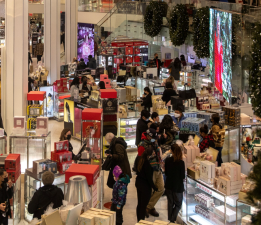
What are some statistical indicators reflecting consumption?
Currently, the government's statistical indicator system mainly includes three categories of consumption-related statistical indicators: final consumption expenditure, per capita consumption expenditure, and total retail sales of consumer goods.
Final Consumption Expenditure
Obtained through national economic accounting, it refers to the expenditure on goods and services by permanent residents and government departments to meet residents' living needs and social needs.
Per Capita Consumption Expenditure
Obtained through sampling surveys of households, it refers to all expenditures by residents to meet their daily household consumption needs.
Total Retail Sales of Consumer Goods
This figure, obtained through a survey of businesses engaged in retail or catering services, refers to the value of goods sold by enterprises (units, individual businesses) to individuals and social groups (government agencies, enterprises, social organizations, etc.) for non-production and non-business purposes, as well as the income derived from catering services.
Consumer Behavior Reflects Economic Confidence
Increased Precautionary Savings
The household savings rate is projected to rise to 35% by 2025, while the propensity to consume is expected to fall to 62%, reflecting pessimistic expectations for future income. Increased spending on education and healthcare (with growth rates of 8.5% and 7.2% respectively in 2025) reflects "anxiety-driven consumption."
New Forms of Consumption Downgrading
- The rise of the "alternative economy":The number of discount stores selling near-expiry food is increasing by 40% annually, and the GMV of secondhand trading platforms has exceeded one trillion yuan.
- Divergence in "self-indulgent consumption":Low-priced cosmetics and high-end medical aesthetics are growing simultaneously.
In what aspects is consumer behavior reflected?
Technology Empowerment: From "Offline" to "Online + Offline"
The rapid development of internet technology has made online-offline integration a new trend in consumption. Consumers can browse products and place orders anytime, anywhere through mobile apps, enjoying convenient logistics and delivery services. Meanwhile, physical stores are no longer just sales venues, but have become experience centers, service centers, and social platforms.
Take smart homes as an example. More and more families are installing smart door locks, smart lights, smart appliances, and other devices. These products not only improve the convenience and comfort of life but also bring consumers a brand-new interactive experience. Consumers can remotely control various devices in their homes through their mobile phones, achieving intelligent management. The rapid rise of the smart home market is a vivid illustration of how technological progress drives consumption upgrades.
Green Consumption: From "Consumption" to "Sustainability"
With the popularization of environmental awareness, green consumption is gradually becoming a fashionable trend. Consumers are increasingly inclined to choose environmentally friendly products and services, such as new energy vehicles, energy-saving appliances, and biodegradable plastic products. Green consumption not only helps reduce resource waste and environmental pollution but also brings consumers a healthy lifestyle and a sense of social responsibility.
Experiential Consumption: From "Owning" to "Experiencing"
Traditional consumption patterns are often based on the desire to possess goods, that is, to obtain satisfaction through purchasing goods. However, with social progress and technological development, consumer needs have undergone fundamental changes. More and more people are beginning to pursue "experiential consumption," that is, to obtain pleasure and satisfaction by participating in certain activities or enjoying certain services.
Conclusion
Personal expenditure is the "capillary" of the economy. By analyzing its structural changes, consumer psychology, and policy responses, we can predict economic cycle turning points. The current consumer market is characterized by "stable total volume but differentiated structure," and improved income expectations are key to activating consumption potential.
previous post
What Numbers Say About Your Financial Life
Related Articles